Windlass Mechanism of the Foot: Why Proper Arch Support Matters
The windlass mechanism of the foot is one of the most important—and least understood—functions affecting how you walk, stand, and move.
When this mechanism is operating correctly, your feet effectively assist your body and when it does not then it can cause feet pain, poor posture, and eventually joint pain.
(Simply put: this is the mechanism which allows your feet to absorb shock, and then move your body forward as you walk.)
What Is the Windlass Mechanism?
The synchronized interaction of tendons, muscles, ligaments, and bones drives the windlass mechanism, ensuring stability of the arch and facilitating effective movement.
- Muscles (create movement)
- Tendons (connect muscle to bone)
- Ligaments (connect bone to bone)
- Bones (provide structure and support)
Together, these structures allow your foot to shift from:
- A flexible shock absorber when your foot hits the ground
- To a rigid lever when you push off
This transition is essential for proper walking mechanics, balance, and energy efficiency.
The Three Arches of the Foot
Your foot contains three dynamic arches:
- Medial longitudinal arch (the main arch located on one side of the foot) which is that is designed to bear the bulk of your body’s load when walking.
- Lateral longitudinal arch (the outer edge which provides stability, it’s the one that’s is designed to help you stay balanced and upright, so you don’t slip.)
- Transverse arch (the arch that runs across the sole of your foot it is the arch that was that connects the medial and lateral arches to cooperate and communicate so that you on the right path. )
The arches are designed to move, not stay fixed.
(Think of them like shock absorbers in a car—they compress and rebound with every step.)
How Poor Foot Support Affects the Body
When arch support is incorrect or inadequate, foot biomechanics (how your foot moves and functions) become compromised.
This can lead to:
- Plantar fasciitis (inflammation of the tissue under the foot, causing heel pain)
- Arch fatigue and soreness
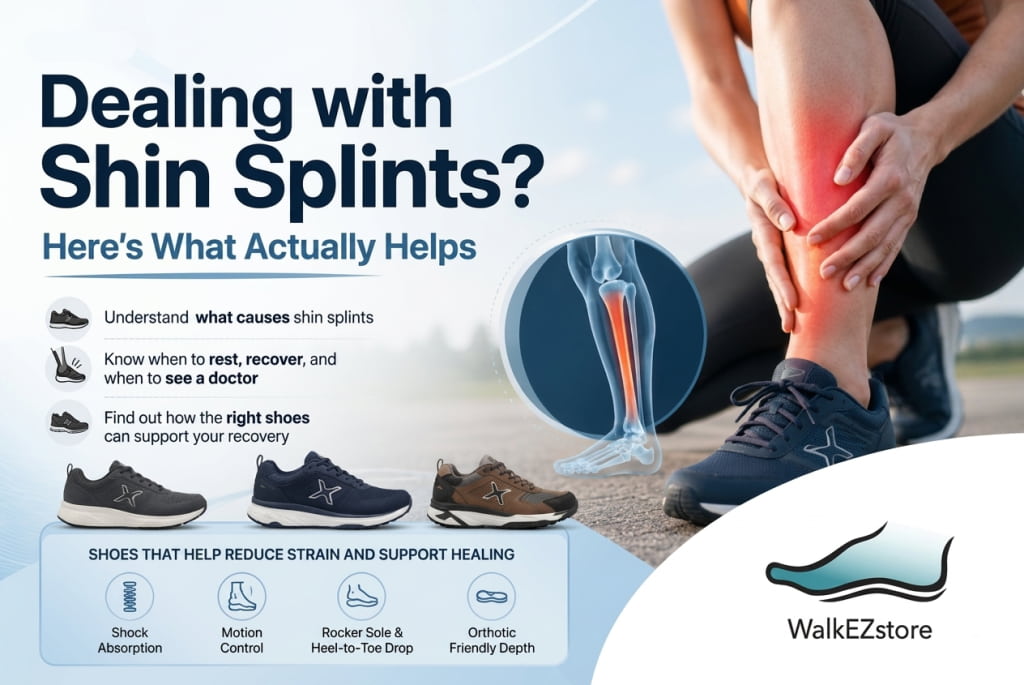
- Shin splints (pain along the shin bone from overuse)
- Knee, hip, and lower back pain
These problems often start small—but over time, they can become chronic.
Proper Gait: How the Foot Is Designed to Function
Efficient walking follows a natural pattern:
- Heel Stride – Strike on the lateral heel (outside of the heel) on the calcaneal bone for strength and stability
- Midfoot Stance – Transfer weight through the midfoot to find the terrain and become balanced and stable
- Propulsion – Push off from the big toe joint (medial forefoot) to get you into the next step
This allows your body to use its strongest structures for support.
When this pattern breaks down, it can lead to:
- Bunions (bony bump at the big toe joint)
- Hammertoes (toes that bend abnormally)
- Metatarsalgia (pain in the ball of the foot)
- Morton’s neuroma (nerve irritation between toes)
- Stress fractures (small cracks from repeated stress)
Your feet are your foundation—if they are off, everything above them (ankles, knees, hips, and low back) compensates for the dysfunction.
Flat Feet vs. High Arches
Both extremes interfere with proper function:
- Flat feet (pes planus) (arches collapse to the ground under weight)
- High arches (pes cavus) (arches are too rigid and are not good shock absorbers)
A flexible, properly supported foot allows the windlass mechanism to work as intended, keeping your feet healthy.
Custom Orthotics vs. Over-the-Counter Inserts
Most over-the-counter inserts are:
- Mass-produced
- Symmetrical (same shape left and right)
- Based only on shoe size—not foot structure
But your feet are not identical—even your left and right feet are different.
Custom orthotics are designed to:
- Fit each foot individually
- Improve alignment
- Support proper biomechanics
- Enhance overall function
(In simple terms: they’re built for your feet—not the average foot.)
Why Proper Orthotic Casting Matters
Not all custom orthotics are created equal—the impression process determines how well they work.
Less effective methods include:
- Weight-bearing casting (standing—arches collapse during measurement)
- Suspended casting (not reflective of real movement)
- Slipper casting (high variability based on clinician technique)
The most effective method is a non-weight-bearing biomechanical impression, which captures the foot in its optimal functional position. This is the only type of casting we do at the WalkEZstore, with one exception: rigid feet or feet that no longer move. These feet are very problematic and need special footwear and support to reduce pressure points and avoid complications such as pressure ulcers and amputations.
Better impressions lead to better orthotics—and better results.
Who Benefits Most from Proper Arch Support?
Proper arch support is especially important for:
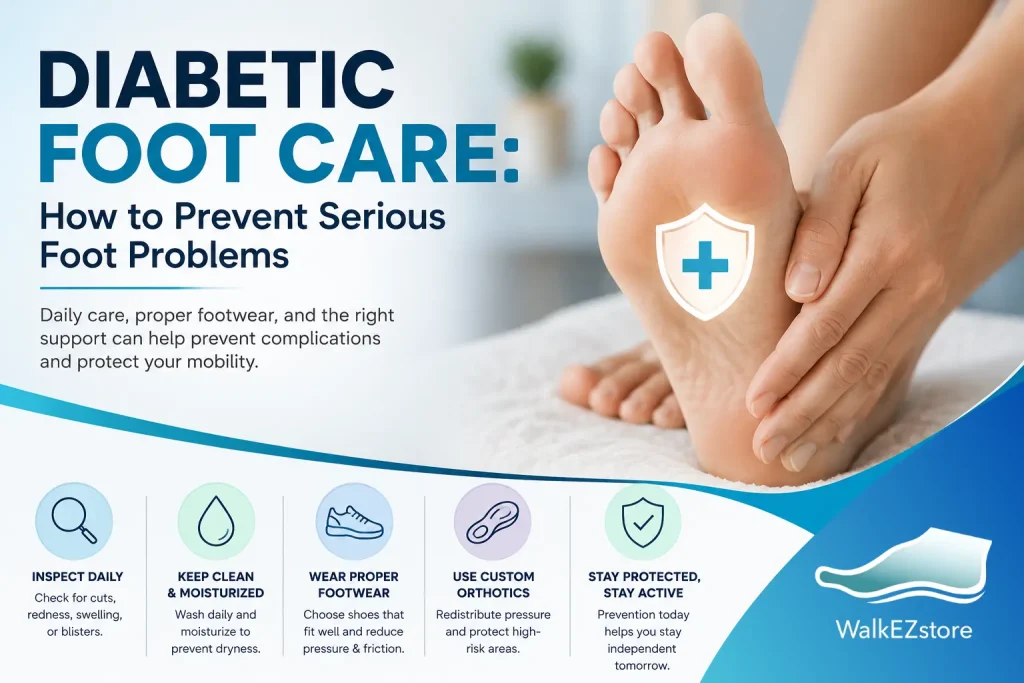
- Individuals with diabetes (reduced circulation and nerve damage in the feet)
- Individuals with obesity (increased pressure on the feet)
- Athletes for both proactive and reactive foot health care
- People who stand for long periods
Improved support can enhance circulation, sometimes reduce nerve pain, reduce stress and strain, and prevent long-term damage. The earlier in life you address your feet’s biomechanical deficiencies, the better the results. However, regardless of age, everyone can benefit from proper biomechanical enhancement for their feet.
Custom Orthotics and Foot Care in Indianapolis
If you’re experiencing foot pain, poor arch support, or issues with walking mechanics, working with a Certified Pedorthist in Indianapolis can make a measurable difference.
At WalkEZ Store, we focus on biomechanically designed, individually tailored custom orthotics—not mass-produced inserts.
(We don’t just cushion your feet—we improve how they function. That’s where real foot health care begins)
Whether you’re dealing with plantar fasciitis, flat feet, high arches, or chronic discomfort, proper evaluation and support are essential for long-term relief.
Frequently Asked Questions About the Windlass Mechanism
What is the windlass mechanism of the foot?
The windlass mechanism is the system of muscles, tendons, ligaments, and bones that support the arch and allow the foot to get you from point A to point B. When healthy, you will walk efficiently.
(It helps your foot absorb shock and push off when you walk.)
Why is the windlass mechanism important?
It allows the foot to transition from flexible to rigid during walking, which is essential for balance, stability, and forward movement.
What happens if the windlass mechanism doesn’t work properly?
It can lead to foot pain, poor alignment, and issues such as plantar fasciitis, knee pain, hip pain, and back pain, as well as foot and toe deformities. Much like your spine and teeth, good alignment matters.
Do custom orthotics help the windlass mechanism?
Yes. Properly designed custom orthotics improve alignment and support natural foot mechanics, helping the windlass mechanism function correctly and reducing discomfort and pain. Over-the-counter devices do not.
Are over-the-counter arch supports enough?
Over-the-counter arch supports and footwear made with OTC support built into the shoe may provide temporary comfort, but are not designed for your individual foot structure and function, and often do not correct underlying problems. If, with our custom orthotics, we can make your feet healthier by delivering what each foot needs to move more efficiently, the OTC devices can do more harm than good in the long term. Our advice – don’t waste your money on OTC support.
Final Takeaway: Fix the Foundation
If your arches collapse—or if your feet are too rigid—your windlass mechanism is likely not functioning efficiently.
Addressing this with proper footwear and biomechanically designed custom orthotics can:
- Improve alignment
- Reduce pain
- Enhance walking efficiency
- Support long-term joint health
When your feet function properly, your entire body benefits.
At The Walkezstore.com, you will be guaranteed a proper bio-mechanically designed orthotic that will enhance the way your feet perform. It has even been proven that an ezWalker® Custom Orthotics will improve the alignment of your feet’ bones, giving your feet better function and your body better overall health. The ezWalker Custom Orthotic offers guaranteed comfort or your money back Check it out. We have been changing the quality of lives one pair of feet at a time for over 20 years now. Let us help improve your quality of life, too, because when your feet feel good, you feel good!