Plantar Fasciitis: How to Find Relief
As discussed in a previous post, plantar fasciitis is one of the most common causes of foot pain. It can develop from several factors, including:
- Age and activity level
- Excess weight
- Overuse
- Poor foot mechanics
- Improperly fitted footwear
So what can you do if you’re dealing with plantar fasciitis?
The good news is that about 90% of people improve with conservative, at-home care within a few weeks to months.
Start Treatment Early
Don’t ignore heel pain.
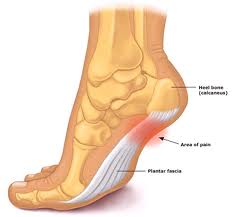
The longer the plantar fascia (the thick band of tissue along the bottom of your foot) remains inflamed, the harder it can be to heal. They say if you’ve had PF for 6 months, with proper treatment, it may take half that time to heal. Therefore, early treatment makes a big difference.
Rest
Reducing activity helps calm inflammation.
- Avoid high-impact activities like running
- Limit prolonged standing or walking when possible
- Use a medical boot for 2 – 4 weeks to stop motion and allow healing time to take place during the acute phase
- Rest often; even a short period of rest can significantly reduce pain.
Apply Ice
When Plantar Fasciitis is in its early stages (acute), ice helps reduce inflammation and discomfort.
- Apply for 10 minutes on, 20 minutes off
- Repeat several times a day as needed
Medication
Over-the-counter anti-inflammatory medications, such as Tylenol® or Aleve®, can help reduce pain and swelling when used as directed. Always follow usage directions to avoid complications or adverse interactions with other medications you may be taking. Or follow your doctor’s recommendations.
Stretching and Strengthening
Regular stretching can relieve tension in the plantar fascia and surrounding muscles.
When the acute stage has passed, and it begins to feel better, light stretching is recommended.
- Stretch in the morning and evening
- Focus on the foot and calf muscles
- Review with a physical therapist for stretching recommendations.
Over time, this helps improve flexibility and reduce strain.
Night Splints
A night splint can be one of the most effective tools for recovery.
While you sleep, your foot naturally relaxes, and the plantar fascia shortens. A night splint keeps your foot in a gently stretched position, allowing the tissue to heal in a lengthened or elongated state.
This is highly recommended and can significantly reduce morning pain and speed recovery.
Custom Orthotics
Custom orthotics are often an important part of treating plantar fasciitis—but not all orthotics are designed the same way.
Some orthotics are made to limit motion and are typically used for short-term relief in less active individuals or during the acute stage of Plantar Fasciitis. This type of custom orthotic is not designed for long-term use because it limits the foot’s function. It’s designed to stabilize and heal in the first few weeks of treatment.
However, after limiting motion, long-term healing and functional rehabilitation of the foot depend on supporting proper foot movement rather than restricting it.
A biomechanically designed custom orthotic, such as the ezWalker® Performance Insole, is intended to:
- Support the foot’s natural structure
- Improve movement during walking
- Reduce stress on the plantar fascia
When your foot functions more efficiently, it can help relieve pain, strengthen the foot, and reduce the risk of recurrence.
Wear Properly Fitted Shoes
Footwear plays a major role in both the cause and treatment of plantar fasciitis.
- Find a Certified Pedorthist to help teach you how best to fit your footwear
- Ensure your foot sits correctly inside the shoe
- Don’t rely on size alone—fit matters more than the number on the box
Improperly fitted shoes are among the most common causes of ongoing foot pain.
When to See a Doctor
If your pain:
- Persists
- Worsens
- Or doesn’t improve with home care
…it’s important to seek medical evaluation to rule out other conditions.
Take the Next Step
With the right combination of rest, support, and proper footwear, most cases of plantar fasciitis can improve significantly and stay away for good.
For more information about ezWalker® Performance Insoles, visit our website at www.walkezstore.com. The ezWalker® is ultra-thin and ¾ in length so it can be easily transferred from shoe to shoe and worn in a wide variety of footwear.
You’ve got nothing to lose but your plantar fasciitis foot pain.
Walk Without Pain Again
At the WalkEZstore, we won’t just help you overcome your plantar fasciitis pain; we’ll teach you how to keep it from ever coming back. We want you to feel good every day for the rest of your days. Because when your feet feel good… you feel good.