Metatarsalgia: Causes, Symptoms, and Relief
Does your job require long hours on your feet? Are you pregnant or overweight? Are you a runner or athlete who repeatedly puts pressure on the ball of your foot? Do you frequently wear high heels?
If you answered “yes” to any of these, you may be at risk for metatarsalgia.
What Is Metatarsalgia?
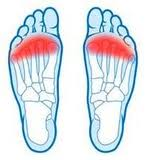
Metatarsalgia is a painful condition affecting the ball of the foot (the forefoot area under your toe joints).
It occurs when the nerves between the metatarsal bones become compressed. With each step, these nerves are irritated by pressure and friction, leading to inflammation and pain. Over time, the body may form protective scar tissue around the irritated nerves.
Metatarsalgia can affect one or multiple areas under the metatarsal heads. Many people describe the sensation as “walking on pebbles.”
What Causes It?
Metatarsalgia is typically an overuse injury caused by excessive or uneven pressure on the forefoot.
Common risk factors include:
- Repetitive high-impact activities (running, jumping)
- Prolonged standing or walking
- Pregnancy or excess body weight
- Wearing high heels (which shift weight onto the forefoot)
- Shoes with a narrow toe box
It’s also more common in older adults due to loss of natural cushioning (fat pad thinning) under the ball of the foot.
Symptoms and Diagnosis
Common symptoms include:
- Sharp, aching, or burning pain in the ball of the foot
- Shooting pain in the base of the toes
- Numbness or tingling
- Pain that worsens with standing, walking, or running
- Increased discomfort when wearing heels (especially 2 inches or higher)
If left untreated, metatarsalgia can lead to:
- Pain in other areas of the foot
- Changes in walking pattern (limping)
- Secondary pain in the hips or lower back
Because these symptoms can overlap with other conditions, it’s important to consult a healthcare provider for proper diagnosis. This may include a physical exam and, in some cases, imaging such as an X-ray or an MRI.
Treatment and Prevention
In many cases, metatarsalgia can be managed with simple changes:
- Rest and reduce high-impact activities
- Apply ice for 15–20 minutes several times a day
- Take over-the-counter anti-inflammatory medication (as needed)
- Maintain a healthy weight to reduce forefoot pressure
- Wear properly fitted shoes with a wide toe box
- Avoid high heels and tight footwear
- Wear flats with a negative heel rise to put your standing pressure in the heels and not the ball of the foot
You may also benefit from:
- Metatarsal pads to redistribute pressure
- Supportive insoles to improve weight distribution
- Custom Orthotics to redistribute and redirect the forefoot pressure
Support Makes a Difference
Custom orthotics, like ezWalker® Performance Insoles, can help reduce the stress placed on the metatarsal bones by supporting the arches and redistributing pressure away from the ball of the foot.
The ezWalker® insoles are customized to the contours of your feet and are biomechanically designed to enhance your gait, helping reduce strain as you walk. This can provide relief not only in the feet, but also in the knees, hips, and lower back.
Because they are ultra-thin and ¾ length, ezWalker® insoles fit easily into most footwear—providing support without sacrificing comfort or style. But remember, low-heeled shoes are the best footwear choice for managing metatarsalgia pain, even with custom orthotics.
Take the Next Step
If you’re dealing with forefoot pain, don’t ignore it. Addressing the cause early can help prevent more serious problems later.
For more information about ezWalker® Performance Insoles and how to order your pair, visit our website.
Walk Comfortably Again
Put an ezWalker® in your shoes and put a smile on your face. Because … when your feet feel good, you feel good.