Don’t Ignore That Tiny Cut: It Could Turn Into a Plantar Wart
It’s a beautiful summer morning. You’re walking barefoot through cool, dew-covered grass, enjoying one of life’s simple pleasures. Then—scrape. You brush your foot against a rock.
You glance down—just a small scratch. Barely bleeding. No big deal… right?
Not exactly.
What you can’t see is what matters most. That tiny break in your skin has opened the door to bacteria and viruses living in that moist environment. Weeks later, a small, rough growth appears on the injury of your foot.
That “nothing” moment just turned into a plantar wart, a virus.
What Are Plantar Warts?
Plantar warts are noncancerous skin growths that develop on the bottom of your foot—typically on the heel, ball, or anywhere on the sole of your foot. They’re caused by the human papillomavirus (HPV), which enters through small cuts, cracks, or abrasions in the skin.
While the virus itself isn’t highly contagious, it thrives in warm, moist environments like:
- Wet grass
- Pool decks
- Locker rooms
- Public showers
That’s why going barefoot in these areas is one of the biggest risk factors.
Children, young adults, and anyone with a weakened immune system are more prone to developing them.
Here’s the catch most people don’t realize:
Because of the pressure from standing and walking, plantar warts often grow inward, not outward. They can become buried under layers of the skin—and they can multiply.
Signs You Might Have a Plantar Wart
Plantar warts aren’t always obvious at first. Look for:
- Small, rough growths on the sole of your foot
- Black pinpoint dots (tiny clotted blood vessels)
- A callus forming over a specific spot
- Pain or tenderness when walking or standing
- Changes in posture due to discomfort
Yes—something this small can actually affect how you walk, and over time, even contribute to leg or back pain due to an abnormal gait cycle caused by walking away from the pain.
When You Should See a Professional
Don’t try to “tough it out” if:
- The wart is painful
- It’s spreading or not going away
- It keeps coming back
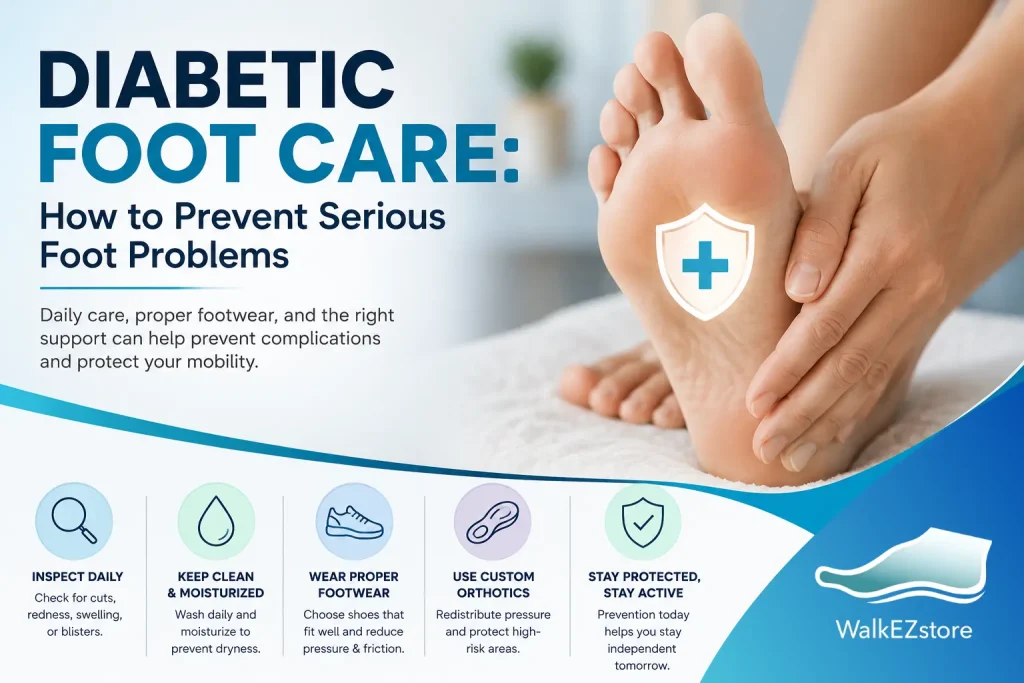
- You have diabetes, neuropathy, or poor circulation
- Your immune system is compromised
- You’re not 100% sure it’s a wart
This is where getting it right early matters. It can save you time and money to get it checked early.
Treatment Options: What Actually Works
At-Home Treatments (for healthy individuals only)
- Salicylic acid – Gradually breaks down the wart over time
- Freezing products – Destroy the wart tissue so it can shed
- Antibiotic creams – Used after removal to prevent infection
⚠️ Important: If you have diabetes or nerve damage—skip DIY treatments and see a professional.
In-Office Treatments
When home care doesn’t cut it, medical treatments are far more effective:
- Cryotherapy – Freezing with liquid nitrogen
- Cantharidin treatments – Create a blister so the wart can be removed
- Immunotherapy – Stimulates your body to fight the virus
- Prescription creams – Like imiquimod to trigger an immune response
- Minor surgery or laser – Removes or destroys the wart
Some of these can be uncomfortable—but they’re often necessary for stubborn cases.
Prevention: Simple Habits That Go a Long Way
This is where old-school advice still wins:
- Don’t walk barefoot in public places
- Wear flip-flops in pools, locker rooms, and showers
- Dry your feet thoroughly before putting on your shoes
- Keep your skin healthy and intact
A little discipline here saves a lot of trouble later.
The Overlooked Factor: Pressure
Here’s something most articles won’t tell you—
Even after treatment, pressure is what keeps plantar warts painful.
If you’re constantly loading the same spot on your foot, you’re:
- Irritating the area
- Slowing the healing process
- Making every step uncomfortable
That’s where proper shoe fit and support come in.
Relieve Pressure Where It Matters Most
If you’re dealing with pain from a plantar wart, reducing pressure is critical to both comfort and proper healing.
One of the most effective solutions is a properly fitted shoe that has been modified to offload pressure from the affected area. This is a time-tested approach used in foot wound care. Shoe modifications—whether internal or external—are designed to relieve direct pressure on the wound, allowing the tissue to heal more efficiently while you continue to stay mobile.
In addition, ezWalker® Performance custom orthotics are designed to match the natural contours of your feet, supporting your medial, lateral, and transverse arches. This support helps redistribute pressure away from common problem areas where plantar warts develop, including:
- Heel
- Ball of the foot
- Plantar fascia
By offloading pressure from the wart itself, these orthotics not only improve comfort but also support faster, more effective healing.
Depending on the severity of the wart, combining custom orthotics with shoe modifications may be recommended to further protect the area and minimize irritation.
Beyond the immediate issue, WalkEZstore’s ezWalker® custom orthotics help improve your foot alignment with every step, leading to smoother movement and reduced strain throughout your day—even after the wart has resolved. Over time, they help your feet and legs function more efficiently, build strength, and move the way they were meant to.
Because when your feet feel good… everything feels better.
👉 Visit www.walkezstore.com to order your pair today.
Note: If you follow these guidelines and your wart or pain persists, you may have a more serious condition. See your physician for a more complete diagnosis and treatment.