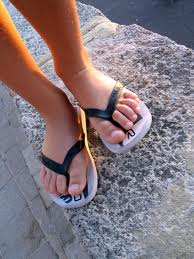
Flip-Flops and Plantar Fasciitis: What You Need to Know
When temperatures rise, flip-flops become a go-to choice—especially for teens and young adults. They’re lightweight, convenient, and feel great in the heat.
However, frequent and long-term use of flip-flops can contribute to a painful foot condition known as plantar fasciitis—often referred to as “flip-flop foot pain.”
(In simple terms: wearing unsupportive footwear too often can strain the bottom of your foot and lead to chronic pain.)
What Is Plantar Fasciitis?
Plantar fasciitis is an inflammatory condition of the plantar fascia, a thick band of connective tissue that runs from your heel to your toes along the bottom of your foot, providing your feet with structure. The plantar fascia, a thick band of connective tissue that runs from your heel to your toes along the bottom of your foot, provides your feet with structure, supporting the arch and the windlass mechanism (the system that helps your foot absorb shock and push off during walking).
When the plantar fascia becomes overstretched or strained, it can develop mild discomfort and possibly small tears, leading to inflammation and pain.
Why Flip-Flops Can Cause Foot Pain
Flip-flops are not inherently “bad,” but they are not designed for prolonged daily use. A flip-flop was originally designed for pool use and for public restrooms/showers. Today, they have become a fashion statement, for people with foot pain, and those who have difficulty wearing closed-in shoes due to swelling and deformities.
Most flip-flops:
- Have minimal cushioning
- Provide no structured arch support
- Offer poor heel stability and arch support (your foot has to grip to keep them on)
When worn for extended periods—especially on hard surfaces—these factors can lead to excessive strain on the plantar fascia and make the toes work too hard to keep them on, both of which can cause what is commonly known as an overuse syndrome.
If the foot flattens too much while walking (overpronation—when the arch collapses inward), the plantar fascia stretches beyond its normal range, increasing the risk of Plantar Fasciitis inflammation and pain.
Common Symptoms of Plantar Fasciitis
The most recognizable symptom is:
- Sharp heel pain with the first steps in the morning
You may also experience:
- Pain where the heel meets the arch
- Stiffness after sitting for long periods
- Increased discomfort after prolonged standing or walking
(A classic sign: it feels worst when you first get up, improves a bit, then comes back later.)
How to Treat Plantar Fasciitis
Early treatment is key to preventing chronic issues.
Conservative treatment options include:
- Anti-inflammatory medications (to reduce pain and swelling)
- Stretching exercises (especially for the calves and plantar fascia, but only after healing has reduced the pain by at least 50%)
- Icing the heel (20 minutes at a time to reduce inflammation)
- Activity modification (reducing time on your feet temporarily)
The Role of Proper Footwear
Footwear plays a major role in both prevention and recovery.
You should:
- Avoid flat, unsupportive shoes (like standard flip-flops)
- Limit walking barefoot on hard surfaces
- Choose properly fitting shoes with:
- Arch support (supports the natural curve of your foot)
- Cushioning (absorbs impact)
- Slight heel elevation (reduces strain on the plantar fascia)
If you do wear flip-flops, look for options with thicker soles and built-in support—but understand they are still not ideal for all-day use.
Custom Orthotics: A More Effective Solution
Custom orthotics are designed to improve foot biomechanics (how your foot moves and functions) by supporting proper alignment.
Unlike over-the-counter inserts, custom orthotics:
- Are made specifically for each foot
- Provide targeted arch support
- Help control heel motion and guide forefoot function
- Reduce strain on the plantar fascia
(In simple terms: they correct the way your foot works, not just cushion it.)
By improving your gait (walking pattern), orthotics help reduce tension on the plantar fascia and promote long-term healing. Continued use will prevent the problem from returning.
Plantar Fasciitis Treatment in Indianapolis
If you’re experiencing ongoing heel or arch pain, working with a Certified Pedorthist in Indianapolis can help identify the root cause and provide a customized solution.
At WalkEZstore, we specialize in designing biomechanically enhancing custom orthotics for all shoe and even sandals with removable insoles that support proper foot function—not just deliver temporary comfort.
Whether your pain is caused by flip-flops, flat feet, or poor footwear, addressing the underlying mechanics is key to lasting relief from Plantar Fasciitis.
Frequently Asked Questions About Flip-Flops and Foot Pain
Can flip-flops cause plantar fasciitis?
Yes. Wearing flip-flops frequently—especially without support—can strain the plantar fascia and lead to plantar fasciitis.
Why do my feet hurt after wearing flip-flops?
Flip-flops lack arch support and cushioning, which forces your foot to work harder and can lead to strain and fatigue. Even ones with built-in OTC support do not deliver the same level of function that a biomechanically enhancing custom orthotic can.
What is the fastest way to relieve plantar fasciitis pain?
Rest, ice, NSAIDS, stretching, and proper footwear are the most effective initial treatments. Custom orthotics can help correct the underlying cause and rid it for good.
Do custom orthotics help plantar fasciitis?
Yes. They improve alignment and reduce strain on the plantar fascia, helping relieve pain, allow for healing of the plantar fascia, and prevent recurrence.
Are there “good” flip-flops?
Some offer better support than others, but most are not suitable for prolonged daily wear.
At The Walkezstore.com, you will be guaranteed a properly biomechanically designed orthotic that will enhance how your feet perform. It has even been proven that an ezWalker® Custom Orthotics will improve the alignment of your feet’ bones, giving your feet better function and your body better overall health. The ezWalker® Custom Orthotic offers guaranteed comfort or your money back. Check it out. www.walkezstore.com
Final Takeaway: Flip-Flops Are Occasional, Not Everyday Footwear
Flip-flops have their place—at the beach, pool, or short outings—but they are not designed for all-day wear.
If you’re experiencing heel or arch pain, it may be a sign that your foot mechanics need proper support.
Addressing the issue early with the right footwear and biomechanically designed orthotics can:
- Reduce pain
- Improve walking efficiency
- Prevent long-term damage
When your feet are supported correctly, your entire body benefits.
Note: If you follow these guidelines and your pain persists, you may have a more serious condition. See your physician for a more complete diagnosis and treatment.